Loading...
Serving Durango, CO and surrounding areas. (970) 844-8919
Heat rises straight through the gaps in your ceiling and escapes into the attic, costing you money every day of winter. Sealing those gaps keeps your home warmer and your heating bills lower without replacing your furnace.
Attic air sealing in Durango means finding and plugging every gap, crack, and hole where your heated air escapes into the attic. The work targets openings around recessed light fixtures, plumbing pipes, wiring, and the edges where your walls meet the attic floor. Most jobs in a single-family home take one to two days, and your living spaces stay fully usable throughout.
Most homeowners assume more insulation is the answer when their heating bills climb, but insulation only slows heat transfer - it cannot stop air from moving. Air sealing stops the actual movement of conditioned air, which accounts for a large share of energy lost in a typical home. Doing both together delivers far better results than either step alone. If you are already planning attic insulation work, adding air sealing to the same project is the most cost-effective approach.
In Durango, where heating season runs nearly six months and older homes were built with little attention to tightness, the gaps in a typical attic ceiling can be significant. A home built before 1990 often has dozens of unsealed penetrations that have been leaking heat for decades.
If your gas or electric bill keeps rising every November without any change in your habits, a leaky attic ceiling is one of the most common causes. In Durango, where heating season stretches nearly six months, a poorly sealed attic can add hundreds of dollars to your annual bill. This is one of the clearest signals that warm air is escaping somewhere it should not.
If a bedroom or hallway on your top floor always feels colder than the rest of the house in winter, gaps in the ceiling above it are likely letting heat escape. In older Durango homes - especially those built in the 1970s and 1980s - this is a very common complaint that gets worse as the house settles over time. A bigger furnace will not fix it; closing the gaps will.
Durango's cold winters make ice damming a real concern. When warm air escapes through attic gaps, it heats the underside of the roof unevenly, melting snow that then refreezes at the cold eaves. If you notice ice buildup along your roofline or icicles forming in unusual spots, heat escaping through your attic ceiling is usually the root cause.
Press your hand against the attic hatch door on a cold day. If it feels noticeably warm, heat is rising through it and escaping into the attic. The hatch is one of the most overlooked air leaks in a home and one of the easiest to fix - but it is a reliable indicator that other gaps exist nearby as well.
Every project starts with a walkthrough of your home and time in the attic before a price is given. We look at the size and layout of the attic, how many penetrations need to be sealed, and the condition of any existing insulation. Some jobs also include a blower door test before the work begins so you have a baseline number to compare against after. We seal every gap we find using foam, caulk, or rigid material depending on the size and location of the opening - this is detail-oriented work that takes several hours when done thoroughly.
For homes where the attic needs more than sealing, we pair air sealing with the full range of air sealing services that covers the rest of the building envelope - rim joists, basement walls, and crawl space transitions. We also combine attic air sealing with retrofit insulation for homeowners who want to address both the air movement and the thermal resistance in a single project. Doing both together delivers the largest measurable improvement in comfort and energy use.
Best suited for homes where heat is escaping through gaps around recessed lights, plumbing, and wiring in the attic floor - the most common source of attic air leakage in Durango homes.
Best suited for homes with pull-down attic stairs or a basic plywood hatch that is not insulated or weather-stripped - one of the highest-impact single fixes a homeowner can make.
Best suited for homeowners whose attic needs both tightening and more insulation depth - sealing first, then adding blown-in material on top for the full stack of improvement.
Best suited for homeowners who want measured proof of improvement - a diagnostic test before and after the work shows exactly how much air leakage was reduced.
Durango sits at roughly 6,500 feet elevation and sees average lows well below freezing from November through March, with a heating season that stretches nearly six months. A poorly sealed attic in this climate is not a minor inconvenience - it is a significant ongoing expense, because warm air escaping through ceiling gaps forces your furnace to run longer every single day of winter. Homeowners here tend to see faster payback on air sealing investments than homeowners in milder climates. A large share of Durango's housing stock was also built before modern energy codes required tight construction, meaning homes in neighborhoods like Three Springs and Crestview can have dozens of unsealed gaps that have been leaking heat for decades.
Durango's high-altitude sun also creates a summer cooling load that surprises many residents - attic temperatures on a sunny July afternoon can reach extreme levels, and an unsealed attic allows that superheated air to push down into living spaces. Air sealing helps in both directions, keeping heat out in summer just as it keeps heat in during winter. Homeowners in Hesperus and Durango consistently report that the improvement is noticeable from the first cold snap after the work is done. For energy efficiency rebates, La Plata Electric Association offers programs worth checking before your project begins - see lpea.coop for current offerings.
When you reach out, we ask a few basic questions about your home's age and any comfort problems you have noticed. You will hear back within one business day. Most Durango contractors can schedule an assessment within one to two weeks, though demand picks up in early fall.
We walk through your home and spend time in the attic before quoting a price. We check the attic layout, count penetrations to be sealed, and review existing insulation. Some jobs include a blower door baseline test at this stage. The estimate you receive covers exactly what will be done - no surprises.
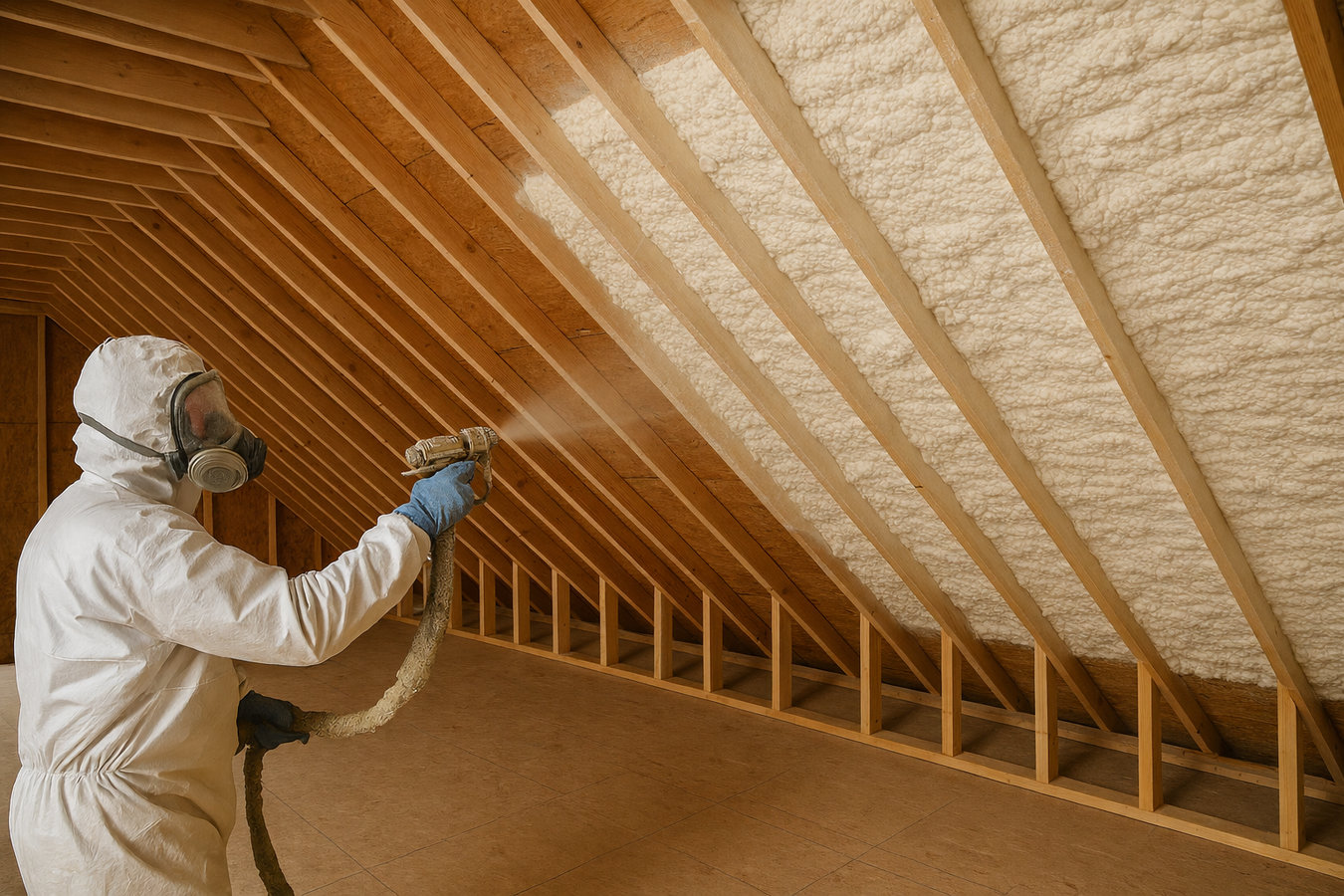
The crew works methodically through the attic, sealing every gap with foam, caulk, or rigid material. The work takes several hours when done thoroughly. Your living spaces stay fully usable - you may hear some noise from above, and there may be a brief, faint smell from foam that dissipates quickly.
When the work is complete, we walk you through what was done and show photos taken during the process. If a blower door test was done before the work, we run it again so you have a real number showing the improvement. Attic ventilation is confirmed intact before we leave.
Free estimate, written quote, no obligation. We reply within one business day.
(970) 844-8919Air sealing and insulation are two different steps that most contractors bundle without explaining the order. We seal gaps before adding any insulation material, which is the sequence that produces the biggest reduction in heating costs. Skipping sealing and just blowing in more material is a common shortcut that leaves real savings unrealized.
Mountain homes in Climate Zone 6 have different needs than homes on the Front Range. We work in Durango's altitude and cold every day, and we know what a 1970s ranch home in this climate typically has hiding above its ceiling. That local context changes how we approach the assessment and where we focus the work.
A blower door test gives you a real, measured number showing how airtight your home is - before and after the work. This is the standard used by the Building Performance Institute for verifying energy improvement work. We offer this for homeowners who want documented proof rather than a promise.
You get a written estimate after a real walkthrough of your home - not a guess over the phone. There is no pressure and no obligation after the estimate. We explain every line item so you understand exactly what work we are recommending and why, and you decide on your own timeline.
Every attic air sealing job we complete leaves the homeowner with a clear picture of what was done and why their home will perform better this winter. We back that up with documentation you can use for rebate applications or a future home sale.
Add insulation to an existing Durango home without tearing out walls - blown-in, spray foam, and injected options for attics, walls, and crawl spaces.
Learn MoreWhole-home air sealing that covers rim joists, basement walls, and crawl space transitions in addition to the attic ceiling plane.
Learn MoreDurango's heating season starts early - get on the schedule now and feel the difference before the first hard freeze.