
Loading...
Serving Durango, CO and surrounding areas. (970) 844-8919
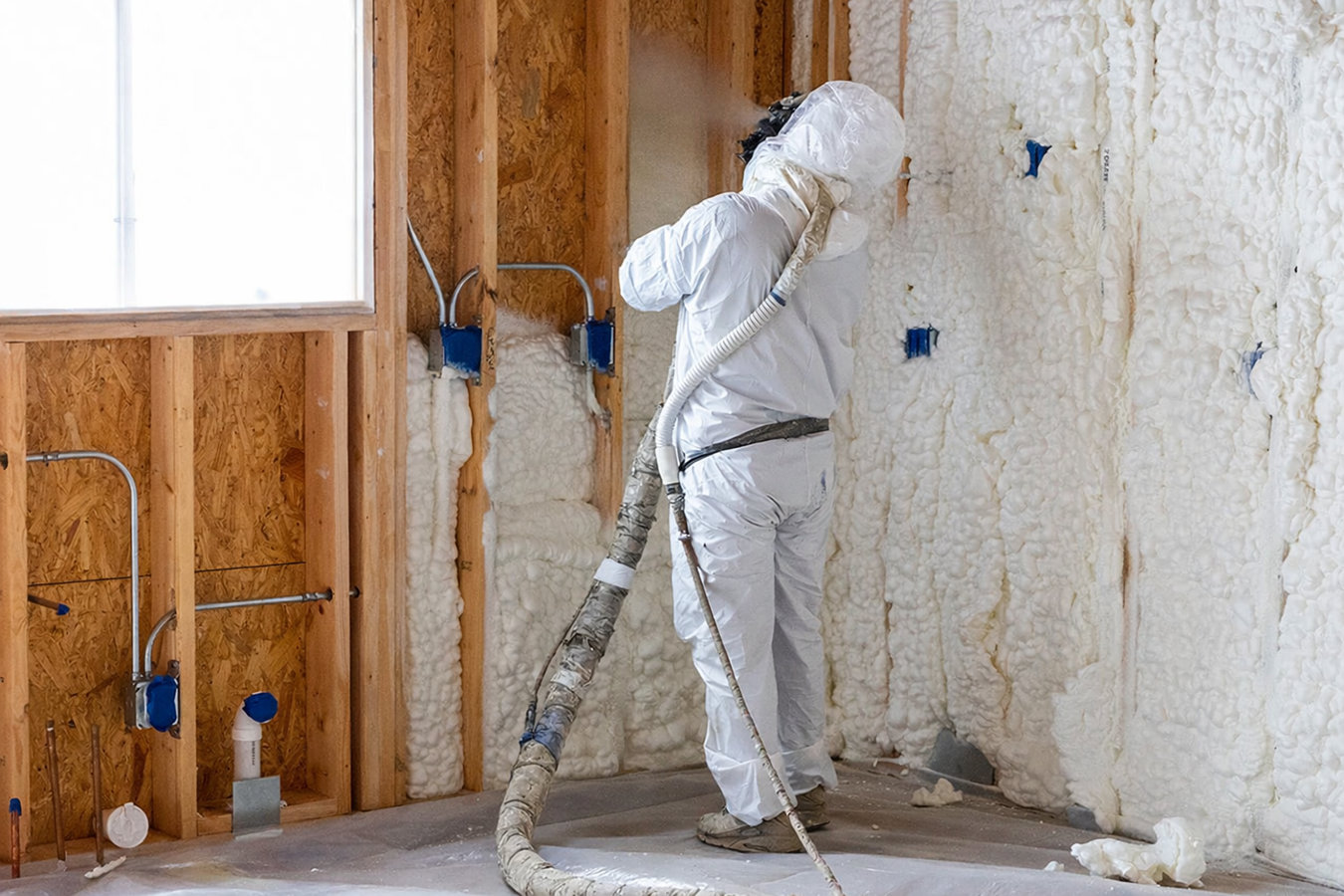
Durango Insulation is the insulation contractor serving Silverton, CO with spray foam, attic insulation, and air sealing work designed for historic mining-era homes at 9,300 feet. We make the drive up the Million Dollar Highway and respond to new inquiries within 1 business day.
Silverton homes built in the 1880s and 1890s were not designed with energy efficiency in mind - they have old wood framing, irregular gaps, and wall cavities that standard batts cannot seal properly. Our spray foam insulation service bonds directly to old framing, fills every gap, and provides air sealing and insulation in one application.
At 9,300 feet, heat escaping through an under-insulated attic directly leads to ice dams - a major problem for Silverton roofs that see over 100 inches of snow per year. Adding insulation to the attic floor stops the heat loss that causes snow to melt and refreeze at the eaves, protecting both the roof and the interior ceiling below.
A century-old Silverton home can have dozens of air leakage points - around plumbing, electrical, framing joints, and the attic hatch. At these temperatures, cold air infiltration through those gaps makes a heated home feel drafty and cold even with a furnace running hard. Air sealing those pathways is often the fastest way to improve comfort in a historic Silverton property.
Older Silverton homes with crawl spaces or partially finished basements expose floor systems to extreme cold air from below, making floors uncomfortably cold even with adequate heating above. Insulating and sealing the crawl space or rim joists protects pipes and improves floor comfort through the long Silverton winter.
Many Silverton homes have been patched and modified over a century but have never had a systematic insulation upgrade. Retrofit insulation adds coverage to existing walls, attics, and floor cavities without requiring a full renovation, which is important in a historic district where exterior changes are limited. We work with the structure you have rather than requiring changes to it.
The attic floor in a Silverton home is typically the most important air barrier in the whole building because it sits between heated living space and the cold attic above. Sealing all penetrations at the attic floor before adding insulation stops the stack effect - warm air rising and escaping through the top of the home - which is one of the biggest heat-loss drivers in older mountain properties.
Silverton sits at about 9,318 feet in the San Juan Mountains, making it one of the highest-elevation towns in Colorado. The town averages over 100 inches of snow per year and sees temperatures drop well below zero on the coldest winter nights. Most of the residential housing stock dates from the late 1800s and early 1900s, built quickly during the silver mining boom with whatever materials were available at the time. These homes were not built for energy efficiency. Walls are thin, attic insulation is minimal or absent, and foundation systems were designed for structural support rather than thermal performance. At this altitude, that combination produces heating bills and comfort problems that contractors accustomed to newer homes are not always prepared to address.
The freeze-thaw cycle in Silverton is severe, with temperatures crossing above and below freezing many times throughout fall and spring. Ice damming on roofs is common because heat escaping through under-insulated attics melts snow that then refreezes at the cold eaves. Seasonal homeowners who leave properties vacant over winter return in spring to find ice dam water damage, frozen pipe failures, and moisture problems that built up unnoticed for months. Proper insulation and air sealing work - particularly in the attic and crawl space - addresses the root cause of all these problems rather than treating the symptoms year after year.
Our crew regularly makes the drive up US Highway 550 - the Million Dollar Highway - to serve Silverton homeowners, and we plan jobs carefully before leaving Durango. Because that road can be challenging in winter weather, we coordinate scheduling around conditions and arrive fully stocked for the full scope of work. There is no making a quick trip back for supplies on a Silverton job.
Many homes in Silverton fall within or near the Silverton Historic District, which means work needs to respect the existing structure. We focus on attic floors, crawl spaces, rim joists, and accessible cavities first - areas where we can add significant insulation without touching anything that affects the historic character of the building. Where spray foam is appropriate for old framing, we use it without over-applying it in ways that would make future access difficult.
We also serve homeowners in Loma Linda and Bondad along the Highway 550 corridor between Durango and Silverton - so if you have referred us to neighbors along that route, they can reach us at the same number.
Contact us by phone or through the form and describe the problem - drafts, cold floors, high heating bills, or ice dam damage. We respond within 1 business day and schedule a site visit around your availability and the highway conditions.
We assess your attic, walls, crawl space, and any areas showing ice dam or moisture damage, then give you a flat written estimate with no hidden costs. We explain what the work will accomplish and how long it will take before you commit.
Our crew arrives fully equipped for the job. Most Silverton homes are completed in one to two days. You do not need to be present for the full duration, and we work carefully in older homes to avoid damage to historic materials.
Before leaving, we walk you through what was done and what to expect heading into the next heating season. If you have questions after we leave - or if you return to town and notice something - you reach us directly.
Silverton homeowners and seasonal property owners count on us to make the drive, assess the home honestly, and do the work that makes a real difference at 9,300 feet. Call us or fill out the form and we will respond within 1 business day.
(970) 844-8919Silverton is a small incorporated town in San Juan County, Colorado, sitting at about 9,318 feet in the San Juan Mountains. The town was founded in the 1870s during Colorado's silver mining era, and much of the original downtown is listed on the National Register of Historic Places. Fewer than 700 people live here year-round, making it one of the smallest incorporated towns in the state. The housing stock is defined by that history - two-story Victorian and vernacular wood-frame homes built in the 1880s and 1890s, many of which have had repairs and modifications over the decades but retain their original framing and construction character. The town sits on a compact grid with small lots and homes close to the street, giving it the look of a Colorado mining town preserved largely intact.
Silverton draws visitors primarily through the Durango and Silverton Narrow Gauge Railroad, which has run between the two towns since 1882, and through outdoor recreation in the surrounding San Juan Mountains. That tourism economy means a portion of the housing stock is used as vacation rentals or second homes that sit vacant for part of the year - particularly in winter. The town is accessible primarily via US 550, which includes the dramatic Million Dollar Highway section north from Durango. Communities closer to Durango along that corridor, including Loma Linda, share the general character of mountain-road communities that depend on Durango for most services.
High-density foam providing superior moisture and thermal resistance.
Learn MoreLightweight foam insulation ideal for interior walls and ceilings.
Learn MoreCode-compliant insulation solutions for commercial buildings and offices.
Learn MoreProfessional vapor barrier installation to prevent moisture damage.
Learn MoreCall us or get a free estimate online. We respond within 1 business day and arrive fully prepared for your historic mountain home.