Loading...
Serving Durango, CO and surrounding areas. (970) 844-8919
Most older Durango homes are under-insulated and losing heat every day of winter. Retrofit insulation adds what is missing - in your attic, walls, and crawl space - without a major renovation.
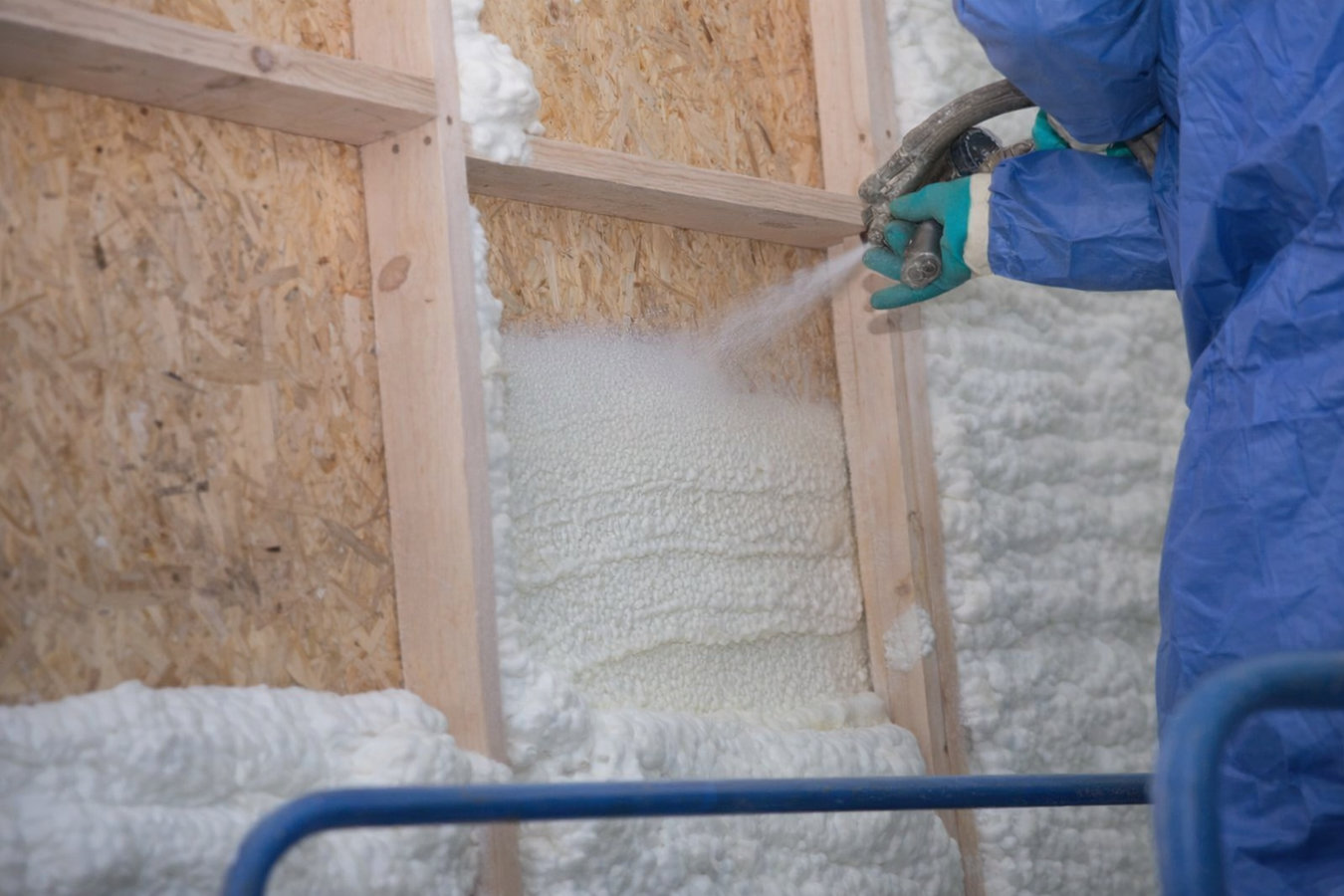
Retrofit insulation in Durango means adding insulation to a home that is already built - blowing, spraying, or injecting material into existing spaces like attics, wall cavities, and crawl spaces without tearing out drywall or starting a renovation. For most Durango homes, an attic project takes one day or less. Wall insulation typically takes one to two days depending on the number of rooms. You stay in your home the entire time.
Many homes in Durango's established neighborhoods were built in the 1960s through 1980s, before energy codes required meaningful insulation levels. These homes often have little or no wall insulation and attics that fall well short of what is needed for a mountain climate. If your home was built before 1990, a retrofit project would very likely make a noticeable difference in your comfort and your bills. The improvement tends to be most dramatic in homes that have never had insulation work done.
Retrofit insulation pairs naturally with home insulation services that cover the full building envelope. For homes with specific spray foam needs in the attic or crawl space, we also offer dedicated spray foam insulation as part of the same project visit.
If your gas or electric bill climbs sharply from October through March and you have not changed your habits or added appliances, your home is likely losing heat faster than it should. In Durango's cold winters, a poorly insulated attic alone can account for a large share of that loss. This is one of the clearest signals that a retrofit project would pay for itself quickly.
If your bedroom above the garage or the room at the end of the hall is always noticeably colder than the rest of the house, that room almost certainly has an insulation gap. Older Durango homes with additions or converted spaces are especially prone to this because those areas were often insulated inconsistently. You should not need extra blankets in one room while the rest of the house is comfortable.
Hold your hand near an outlet or light switch on an outside wall on a cold day. If you feel a draft, that wall has little or no insulation. This is a common finding in Durango homes built before the 1980s, when wall insulation was often skipped entirely. It is a quick test you can do yourself before calling anyone.
Ice dams forming at your roofline after snow are a sign that heat is escaping through your attic and melting snow unevenly. In summer, an attic that feels like an oven is a sign that not enough insulation is blocking radiant heat from pushing down into your living space. Both conditions point to the same root cause.
Every retrofit project starts with a free in-home assessment. We walk through your home, inspect your attic, crawl space, and any exterior walls you are concerned about. We check how much insulation you currently have and where the gaps are. From there we put together a written estimate that covers exactly what work is recommended and what it will cost. We also walk you through any rebates from La Plata Electric Association and federal tax credits you may qualify for - because those savings change the math on what the project actually costs you out of pocket.
The most common retrofit projects in Durango combine attic top-ups with air sealing done in the same visit - sealing first, then blowing material over the top. We also handle wall cavity insulation using dense-pack blown-in material through small drilled holes that are patched and painted after. For homes where the crawl space is part of the thermal envelope, we pair retrofit work with home insulation services to address all three zones in one coordinated project. Homeowners who want the highest air-barrier performance in problem areas like rim joists or unvented attics often combine the blown-in work with spray foam insulation in targeted spots.
Best suited for homes where the attic is under-insulated - the highest-impact single upgrade for reducing heating costs in most Durango homes.
Best suited for older homes with empty or under-filled exterior wall cavities - material is injected through small holes without removing drywall.
Best suited for homes with cold floors or moisture concerns under the house - insulates and air seals the building perimeter at the foundation level.
Best suited for homeowners who want the full improvement in one project - gaps are sealed first, then blown-in insulation is added over the top.
Durango sits at roughly 6,500 feet elevation and sees average January lows in the single digits. That means your home works harder to stay warm than a house in Denver or Colorado Springs, and any gap in your insulation gets punished more severely. Many homes in established Durango neighborhoods like Three Springs, Crestview, and the historic downtown core were built in the 1960s through 1980s, before energy codes required meaningful insulation levels. These homes often have little or no wall insulation and attics that fall well short of what is needed for a mountain climate. The gap between what these homes have and what they need is typically large enough that the upgrade pays for itself over a few heating seasons. Homeowners in Bayfield and other surrounding communities face the same under-insulation problem with older construction.
La Plata Electric Association, the electric cooperative that serves most of Durango, has offered rebate programs for insulation and weatherization upgrades. These rebates can be combined with the federal tax credit under the Inflation Reduction Act, which means a well-planned project can come back to you at a significantly lower net cost. Homeowners in Durango should check LPEA's current offerings at lpea.coop before getting quotes so they know what documentation their contractor needs to provide. Colorado's building codes may also require a permit for certain insulation work - a reputable contractor will know when one is needed and handle the paperwork.
We ask a few basic questions about the age of your home and any comfort problems you have noticed. Most homeowners hear back within one business day. We schedule a free in-home assessment at a time that works for you - no numbers are given until we have actually looked at your home.
We walk through your home and inspect the areas most likely to need attention - typically the attic, crawl space, and any drafty exterior walls. We measure what insulation you currently have, check for air leaks, and put together a written estimate that breaks down what work we recommend and what it will cost. The visit usually takes 30 to 60 minutes.
The crew sets up equipment outside - a hose that runs from a truck or trailer into your attic or wall cavities. They seal air leaks first, then blow or inject the insulating material. Most Durango homes are done in a single day. The main disruption is noise from the blowing equipment; your living spaces stay fully usable.
Before leaving, we walk you through the completed work and confirm the final insulation level in your attic. If a permit was required, we handle inspection scheduling. We provide any documentation you need for LPEA rebate applications or the federal tax credit, so you are not chasing paperwork on your own.
Free in-home assessment, written estimate, no obligation. We reply within one business day.
(970) 844-8919A large share of Durango's homes were built before energy codes required real insulation, and we work in these homes every week. We know what a 1970s ranch in Crestview typically looks like inside the walls before we arrive, which means fewer surprises and faster, more accurate estimates. That local knowledge matters when you are deciding whether a retrofit project makes financial sense.
La Plata Electric Association offers rebates for insulation upgrades, and the federal tax credit under the Inflation Reduction Act can stack on top. We document the work in a way that supports your rebate application and provide the paperwork you need at project completion - you should not have to figure that out on your own after the fact. Check ENERGY STAR federal tax credits for current eligibility.
Adding insulation without sealing air leaks first is like putting on a thick coat with holes in it - it helps, but not as much as it should. We seal gaps around recessed lights, plumbing penetrations, and attic hatches before blowing in new material as part of every attic project. This combination is what produces the biggest drop in heating bills, and it should not be an optional extra.
You get a written estimate after we have actually walked through your home and looked at your attic - not a price range given over the phone. Every line item is explained so you understand what we are recommending and why. There is no obligation to move forward, and you can take your time comparing estimates before making any decision.
Every retrofit project we complete ends with a walkthrough showing you what was done and the final insulation level your home reached. You leave with documentation in hand - not just a receipt.
Closed-cell or open-cell spray foam for targeted areas like rim joists, unvented attics, and crawl space walls where blown-in material alone is not enough.
Learn MoreWhole-home insulation assessment and upgrade covering every zone - attic, walls, crawl space, and basement - in a single coordinated project.
Learn MoreWinter in the San Juans waits for no one - lock in your project date before the cold sets in and heating season is already underway.