Loading...
Serving Durango, CO and surrounding areas. (970) 844-8919
Your attic is where most of your home's heat escapes in winter. Proper attic insulation keeps that warmth inside, reduces ice dams, and brings down heating bills through Durango's long cold season.
Attic insulation in Durango, CO slows heat from escaping through your ceiling all winter, reducing furnace runtime and cutting heating bills, and most standard single-family attic projects are completed within a single day.
Durango sits in one of the coldest climate zones in the continental U.S., at roughly 6,500 feet elevation with heating seasons running from October through April. Most homes lose more heat through the attic than any other part of the building. Older homes built before the 1990s often have only a few inches of insulation up there - well below what is needed to keep heating costs reasonable in this climate.
A quality attic insulation job also includes attic air sealing before any material is added. Air sealing is what makes the insulation perform the way it should. Without it, you get insulation with gaps, and the results fall short of what a properly done job delivers.
If your gas or electric bill climbs steeply from October through March with no clear explanation, your attic is one of the first places to look. Heat rises, and without enough insulation above your ceiling, that warmth escapes into the cold Durango air while your furnace runs harder to replace it.
Ice dams form when heat escaping through a poorly insulated attic warms the roof deck and melts snow, which refreezes at the cold eaves. Durango's heavy snowfall makes this a real and recurring problem. If you saw ice buildup along your roofline last winter, your attic is almost certainly part of the cause.
Rooms closest to the ceiling are the first to feel it when attic insulation is inadequate. Cold drafts near the tops of walls and uneven room temperatures in winter are strong signals that heat is escaping through the attic faster than your heating system can replace it.
Open your attic hatch and shine a flashlight around. If you can see the wooden joists poking above the insulation, or coverage looks thin and uneven, you almost certainly need more material. In a properly insulated Durango attic, the joists should not be visible at all.
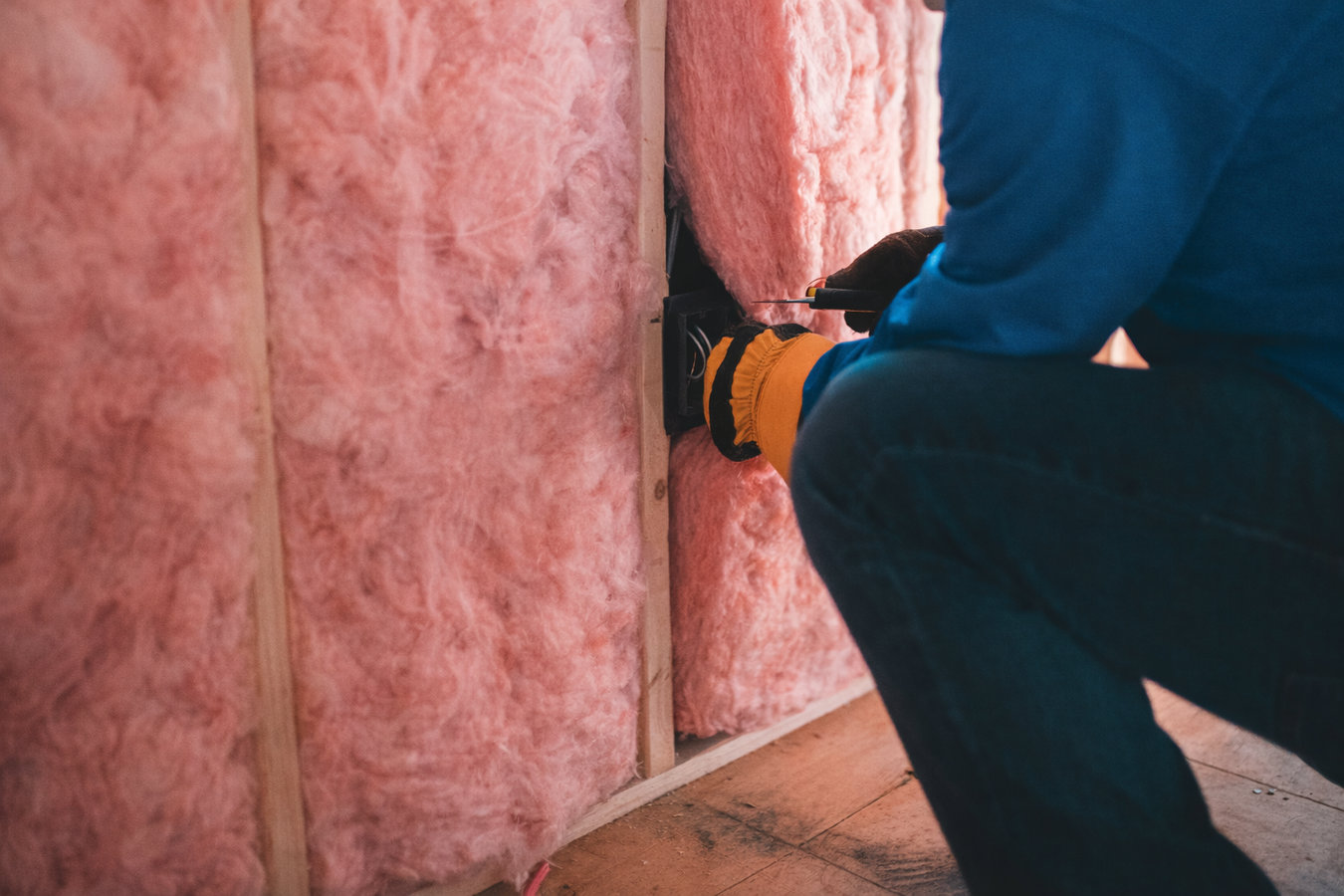
Durango Insulation installs blown-in insulation for attic floors, which fills gaps and irregular spaces more completely than batt material. Blown-in cellulose and blown-in fiberglass are both options depending on your attic conditions and budget. We also handle attic air sealing as part of the same project, targeting penetrations around light fixtures, plumbing stacks, and wall top plates before any insulation is added.
For homes with minimal clearance or specific structural considerations, we assess whether spray foam is a better fit for certain areas. Every estimate includes a walk-through of the attic so we can give you a specific recommendation based on what is actually there, not a generic package.
The most common and cost-effective option for attic floors, filling irregular spaces and building up depth to the level your climate zone requires.
Done before insulation is added, sealing gaps around fixtures and penetrations is what makes the insulation deliver real energy savings.
If you already have some insulation but it falls short of current recommendations, we add material on top to bring it up to the right depth.
The attic hatch is one of the most commonly overlooked weak points. We insulate and weatherstrip the hatch so it does not undo the rest of the job.
Durango is in one of the coldest climate zones in the continental U.S., which means the federal government recommends significantly higher insulation levels here than it does for most of the country. Homes built before the mid-1990s in Durango's historic and established neighborhoods were constructed to standards that are now considered far too low for this climate. The freeze-thaw cycles the area sees every winter also create ice dam risk for homes where attic heat loss is keeping the roof deck warm enough to melt snow from below.
We serve homeowners throughout the region, including Ignacio and Bayfield, where many homes face the same cold-climate challenges. Whether your house is near downtown Durango or out in a rural community to the south, the attic insulation requirements are the same - and the results of a proper upgrade are real.
We respond within 1 business day. We will ask about your home's age, size, and what is prompting the call so we can prepare for the assessment visit.
We access your attic, measure existing insulation depth, check for air leaks, and look for any signs of moisture or pest activity. You get a written estimate within a few days.
We know Durango's permit requirements and handle them on your behalf. In peak fall season, scheduling may run two to four weeks out, so calling early gives you more options.
Most attic jobs wrap up in two to six hours. You can stay home. Before leaving, we confirm the depth gauge is in place, the hatch is re-insulated, and cleanup is done.
No pressure, no obligation - just a clear picture of what your attic needs and what it will cost. We respond within 1 business day and schedule at a time that works for you.
(970) 844-8919You get a clear written estimate before any work begins, with the full scope and cost spelled out. What we quote is what you pay, from the moment we arrive.
We include attic air sealing as a standard part of the job, not a separate line item to push. Skipping air sealing is one of the most common ways attic insulation underperforms.
We know Durango's housing stock, its climate demands, and the permit process at the city building division. That local knowledge means fewer surprises on your project.
After the on-site assessment, you get a written estimate specifying the installed depth, coverage area, and total cost - not a rough ballpark. You have everything in writing before you decide.
Durango's fall booking window fills quickly as homeowners race to get work done before the first hard freeze. If you are planning an attic upgrade this season, the ENERGY STAR Seal and Insulate program is a useful resource on air sealing and insulation levels for cold climates, and the federal energy efficiency tax credit can offset up to 30% of your material costs - worth confirming with your contractor before you sign.
Blown-in insulation is the most common material used in attic upgrades, filling gaps and irregular spaces more completely than batts.
Learn MoreSealing gaps and penetrations in the attic floor before insulating is what makes a project deliver real energy savings.
Learn MoreDurango's fall booking window fills fast - contact Durango Insulation now and lock in your date before the October rush.