Loading...
Serving Durango, CO and surrounding areas. (970) 844-8919
Your attic loses heat faster than any other part of your home. Blown-in insulation fills every gap and thin spot so your furnace can finally catch a break - and your bills reflect it.
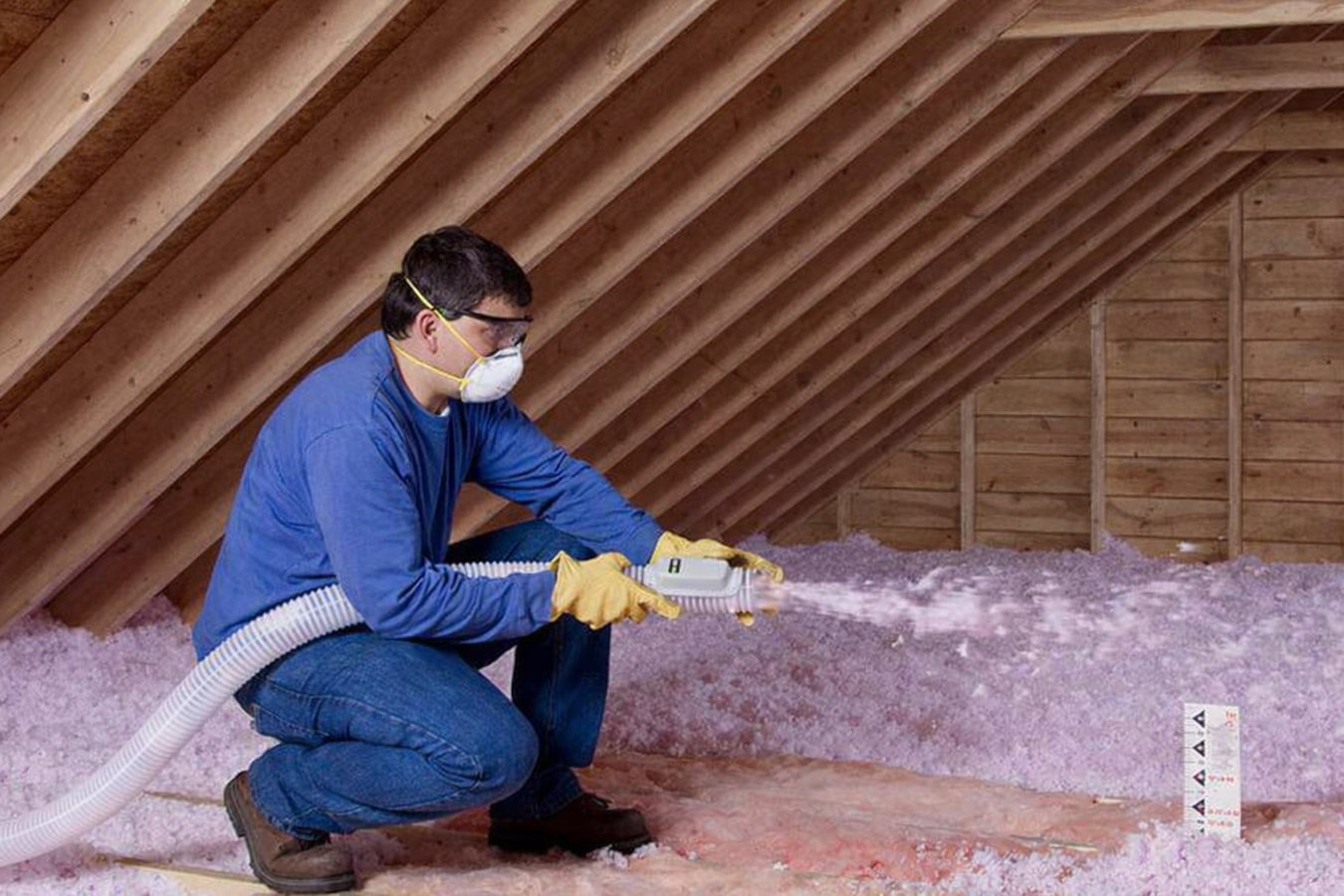
Blown-in insulation in Durango fills attic spaces and wall cavities with loose cellulose or fiberglass material, creating a dense thermal layer that slows heat loss through your ceiling - most attic jobs are finished in a single day. Durango sits at roughly 6,500 feet in Climate Zone 6, so the Department of Energy recommends 14 to 18 inches of coverage in attics here - far more than most older homes currently have.
If your home was built before 1990, the odds are good it was insulated to a standard that made sense then but falls well short of today. Blown-in material works especially well in these situations because it fills around existing framing, pipes, and corners without tearing anything apart. Many Durango homeowners pair this with whole-home insulation upgrades to address walls and crawl spaces at the same time.
If your gas or electric bill climbs sharply from October through March without any change in habits, heat is escaping through your attic. In Durango's cold winters, an under-insulated attic forces your furnace to run longer to compensate. This is one of the most reliable early signals that something is wrong above the ceiling.
Rooms directly below the attic are the first to feel thin insulation. If your upstairs bedrooms feel drafty or cold even when the heat is running, the problem is likely above the ceiling rather than in the walls. This is especially common in older Durango homes where insulation has compressed over the decades.
Ice dams - the ridges of ice that build up at your roofline after a snowfall - form when heat escapes through the attic and melts snow unevenly. Durango gets meaningful snowfall most winters, and homes with thin attic insulation are far more prone to this problem. They signal heat leaving your home where it should not.
If you can see the tops of the wooden beams across your attic floor through the insulation, you almost certainly need more. In Durango's climate those beams should be completely buried. Many homeowners find only a few inches of old, compressed material that was standard 30 years ago but falls well short of today's recommendations.
Our blown-in service begins with an honest look at what your attic already has. We measure the existing depth, check for moisture or pest issues, and seal gaps around light fixtures, pipes, and framing before any material goes in. Skipping that air-sealing step is the single most common reason insulation projects underperform, and we never skip it. We work with both cellulose and fiberglass materials, and we will recommend the one that makes the most sense for your attic layout and climate conditions in Durango.
For homeowners dealing with drafty walls as well, we can combine blown-in attic work with wall insulation to address heat loss from multiple directions at once. When a full-house assessment makes sense, we will walk you through options for a complete home insulation upgrade covering the attic, walls, and crawl space together.
Best for older attics with lots of irregular framing and tight corners - settles densely and fills gaps that other materials miss.
A lighter option that resists moisture absorption, making it a solid choice for attics with any ventilation concerns.
If your attic already has some material but not enough, we blow new insulation directly over the existing layer - no removal needed unless there is damage.
The most thorough option - we seal all bypasses and penetrations first, then blow in material to the correct depth for Durango's climate zone.
Durango sits in one of the more demanding climate zones in the country for attic insulation. The elevation, the long winters, and the intense temperature swings between afternoon and night all mean your home works harder than homes at lower elevations. A large share of the housing stock here - especially in older neighborhoods closer to downtown - was built in the 1960s through 1980s, when insulation requirements were far lower than today. These homes often have thin, compressed attic insulation that has never been updated. Blown-in is one of the most cost-effective ways to bring that gap up to a standard that actually matches the climate.
The dry high-desert climate around Durango reduces some moisture risks compared to wetter parts of the country, but the dramatic temperature swings can still cause condensation issues in poorly ventilated attics. Homeowners in communities like Bayfield and Hesperus deal with the same cold winters as Durango itself, and the same under-insulated older housing stock. Whether your home is in town or out in the surrounding communities, the climate demands the same level of coverage.
Call or submit a request online and we will get back to you within one business day. We will ask a few basic questions about your home and schedule an in-home estimate - no price guesses over the phone.
We go into your attic to measure what is there, check for moisture or pest issues, and look at ventilation. You get a written estimate spelling out the material, the finished depth, and the total cost - no surprises.
On installation day, we seal gaps around fixtures, pipes, and framing first - this step usually takes an hour or two. Then we blow in material to the agreed depth. Most attic jobs are done the same day.
Before we leave, we show you the depth markers in the attic so you can verify the finished thickness yourself. Your home is left clean, and the insulation works immediately - no curing period needed.
Free written estimate. No pressure, no obligation. We reply within one business day.
(970) 844-8919Every blown-in job we do includes sealing attic bypasses before the material goes in. Insulation without air sealing is like wearing a coat with holes - the heat still escapes. We treat both together because that is the only way the job actually works in a climate like Durango's.
We install to the insulation depth recommended for Durango's climate zone - not the minimum that gets the job done on paper. That means 14 to 18 inches of coverage in the attic so your home performs the way it should through January and February.
We work across Durango and the surrounding communities in La Plata County and beyond. Local experience matters here - we know the older housing stock, the attic configurations common to homes built in this area, and the conditions that make insulation more demanding at this elevation. For further reading on R-value recommendations, the U.S. Department of Energy publishes guidance specific to Colorado's climate zones at energy.gov.
After every job, we install depth markers so you can verify the finished insulation thickness yourself with a flashlight. You should never have to take a contractor's word that the job was done right - we make it easy to check.
We combine the correct materials, the right depth for this climate, and a thorough air-seal so the results hold up through Durango winters for years to come. For reference on insulation standards and climate zone recommendations, the U.S. Department of Energy publishes clear guidance on R-values by climate zone.
A whole-home assessment and upgrade covering attic, walls, and crawl space together for homeowners ready to tackle everything at once.
Learn MoreDense-pack and blown-in options for exterior and interior walls in existing homes - no full drywall removal required.
Learn MoreFall booking slots fill fast - call now or submit a request online and we will get back to you within one business day.