Loading...
Serving Durango, CO and surrounding areas. (970) 844-8919
Under-insulated walls let your heat escape all winter long. We fix that with the right materials for Durango's mountain climate - no guesswork, no mess left behind.
Wall insulation in Durango fills the cavities inside your exterior walls to slow heat loss, most jobs on an existing single-family home take one to two days depending on size, and you can sleep at home the same night.
If certain rooms feel noticeably colder than the rest of your house on a January morning, under-insulated exterior walls are the most common cause. In Durango, where January lows regularly dip into single digits, that gap between a well-insulated room and a poorly insulated one is not subtle - it is the difference between comfortable and miserable. Many homes built here before the mid-1980s were constructed with little or no wall insulation at all.
Fixing your walls is often the highest-return upgrade you can make to an older Durango home. If your heating bills stay stubbornly high even after you have addressed the attic, the walls are the next place to look. We also offer air sealing services that work alongside wall insulation to close the gaps that insulation alone cannot address.
Durango winters arrive fast and stay cold for months. If your heating costs jump sharply as temperatures drop and hold high through March, your walls may be letting heat escape faster than your furnace can replace it. This pattern is especially common in homes built before 1985.
Walk through your home on a cold January morning and notice which rooms feel noticeably chillier. Rooms on the north or west side of the house take the most wind and cold in Durango. A clear temperature difference between an interior hallway and an exterior bedroom is a real signal worth investigating.
Remove the cover plate from an electrical outlet on an exterior wall and hold your hand near the opening on a cold day. If you feel a chill, outside air is moving through that wall cavity. This is a free test any homeowner can do - and one of the clearest signs of missing insulation.
Homes built during that era in Durango were constructed under much looser insulation standards than today. Many were built with no wall insulation at all, or a thin layer that has settled and degraded over the decades. If you have never had an energy assessment, it is worth having a contractor take a look.
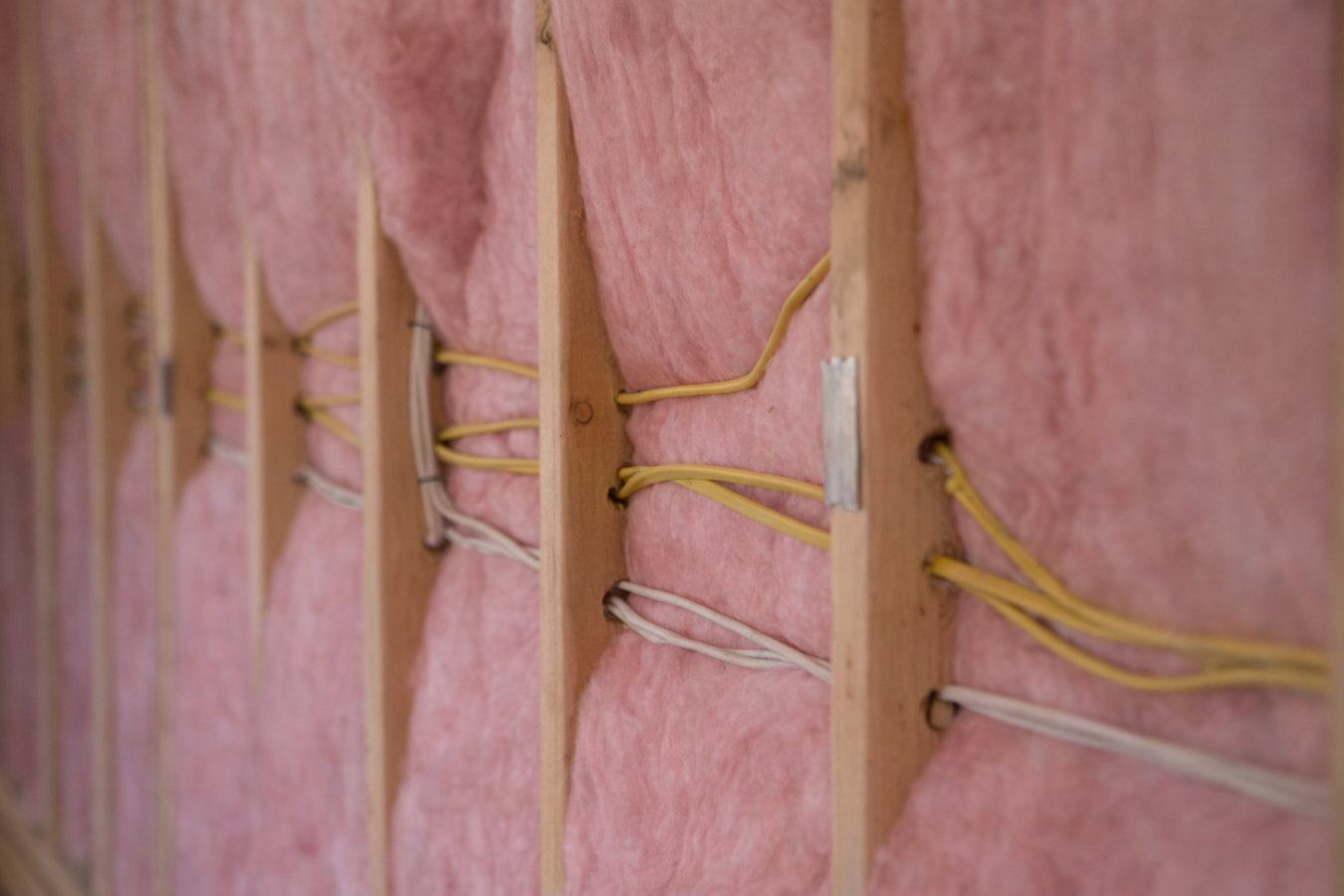
There are two main approaches to wall insulation, and which one fits your home depends on where you are in the renovation process. For homes with finished walls already in place, we use a blown-in process: small holes are drilled in each stud bay, the cavity is filled with insulation material, and the holes are patched and primed before we leave. It is more disruptive for a few hours, but you end up with properly insulated walls without tearing out your drywall. We also pair this work with blown-in insulation for attics and other areas, so you can address the whole house in one project if that makes sense for your situation.
For homes undergoing renovation where walls are already open, batt installation is faster, less expensive per square foot, and gets done before the drywall goes up. Either way, we choose materials suited to Durango's high-altitude climate and moisture dynamics - not just whatever is cheapest or fastest to install. After wall insulation is complete, many homeowners also add air sealing services to close the smaller gaps that insulation alone cannot reach, which compounds the energy savings significantly.
Best suited for existing homes with finished drywall where you need to add insulation without a full renovation.
Best suited for new construction or renovation projects where walls are open before drywall is installed.
Best suited for older homes where wall cavities may be irregularly shaped or partially obstructed by settling.
Best suited for homeowners who are unsure whether their walls have existing insulation or where the problem areas are.
Durango sits at roughly 6,500 feet elevation and sees average January lows in the single digits. That sustained cold puts real pressure on wall insulation in a way that most lower-elevation Colorado cities simply do not experience. What would be adequate wall performance in Denver falls short in Durango. The dry, high-desert air also creates moisture dynamics that differ from wetter climates - your contractor needs to choose materials that account for the way moisture moves through walls at this altitude, not just apply what works in Pueblo or Grand Junction. The U.S. Department of Energy recommends higher R-values for Climate Zone 5 - the zone Durango falls into - than for most of the country, and experienced local contractors will tell you that meeting the minimum and keeping your home genuinely comfortable through a Durango winter are two different things.
A large share of Durango's housing stock was built between the 1960s and the early 1980s, when wall insulation requirements were far more lenient than today. Homeowners in neighborhoods like Crestview and Three Springs regularly discover that their exterior walls have little or no insulation at all. That is true across the service area: we work in Hesperus and Bayfield as well, where the same era of construction is common and the same cold winters demand the same level of performance from your walls.
Tell us your home's age, approximate size, and what prompted the call. We reply within one business day and can typically schedule an in-home assessment within a week or two.
A contractor visits, probes your walls, and often uses a thermal camera to confirm whether insulation is present and how much. The visit takes 30 to 60 minutes and produces a clear picture of where the biggest problems are.
You receive a written estimate specifying the material, scope, and total cost before any work begins. The number you agree to is the number you pay - no mid-project surprises.
The crew completes the work, patches any drill holes smooth, and cleans up before leaving. We provide documentation of what was installed - useful for tax credit claims and future home sales.
Free estimate. Written quote before any work begins. No pressure.
(970) 844-8919We spec wall assemblies for Durango's actual conditions - cold winters, low humidity, and dramatic temperature swings - not generic Colorado averages. The right R-value and the right moisture management approach for a 6,500-foot mountain town are different from what works in Denver.
The federal Energy Efficient Home Improvement Credit covers up to 30% of wall insulation project costs in existing homes. We provide the contractor documentation your tax preparer needs, so you do not leave that money on the table. See details at the IRS Energy Efficient Home Improvement Credit.
For blown-in jobs, our patches are smooth, primed, and ready to paint - not lumpy or cracked. We also provide a fill report on request showing each cavity was filled to the correct depth. That is documentation you can keep and show to a home inspector if you ever sell.
We have worked throughout Durango's mid-century and historic neighborhoods where under-insulated walls are most common. We know what to expect in homes from this era and come prepared for the quirks that older construction brings.
Every wall insulation job we do is backed by a written estimate, clear documentation, and a crew that cleans up after itself. We work in Durango and the surrounding area because this is our community too - and we treat your home that way.
Close the gaps that insulation cannot reach - rim joists, attic penetrations, and electrical boxes - for compounded energy savings.
Learn MoreExtend the same dense-pack approach to your attic and floor cavities for whole-home thermal performance.
Learn MoreBooking slots fill fast once fall arrives - schedule your free estimate now and lock in your spot.